The cargo arrives, the FabLab takes off and the wave channel begins to rise
A busy quarter: the first ULB container finally arrives, the digital fabrication lab starts working in the middle of summer, the first analyses of real bay water are made and construction of the medium wave channel begins, while the doctoral students advance their papers and their work with the community.
Security of the premises
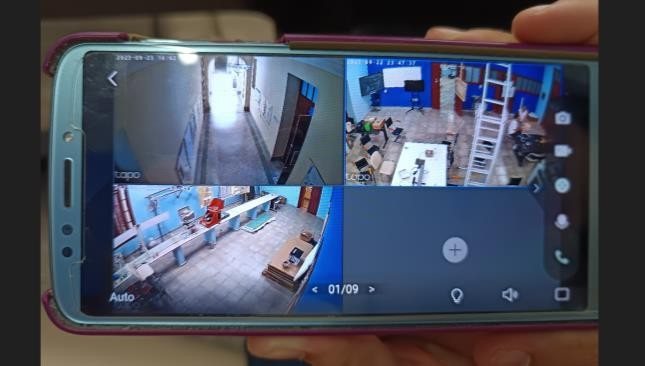
With the arrival of the first container, three security cameras were installed covering the three main indoor areas where most of the goods acquired with the ARES project are kept. They were installed personally by the project director, with the help of Raciel Pupo-Santos, and cannot be monitored or accessed from outside the building.
When the university leadership asked units to report their material needs, the section of the Complex Systems Center linked to the project made a single request: the urgent repair of the windows of the rooms where the project’s goods are stored. The response is still pending.
The Brussels container
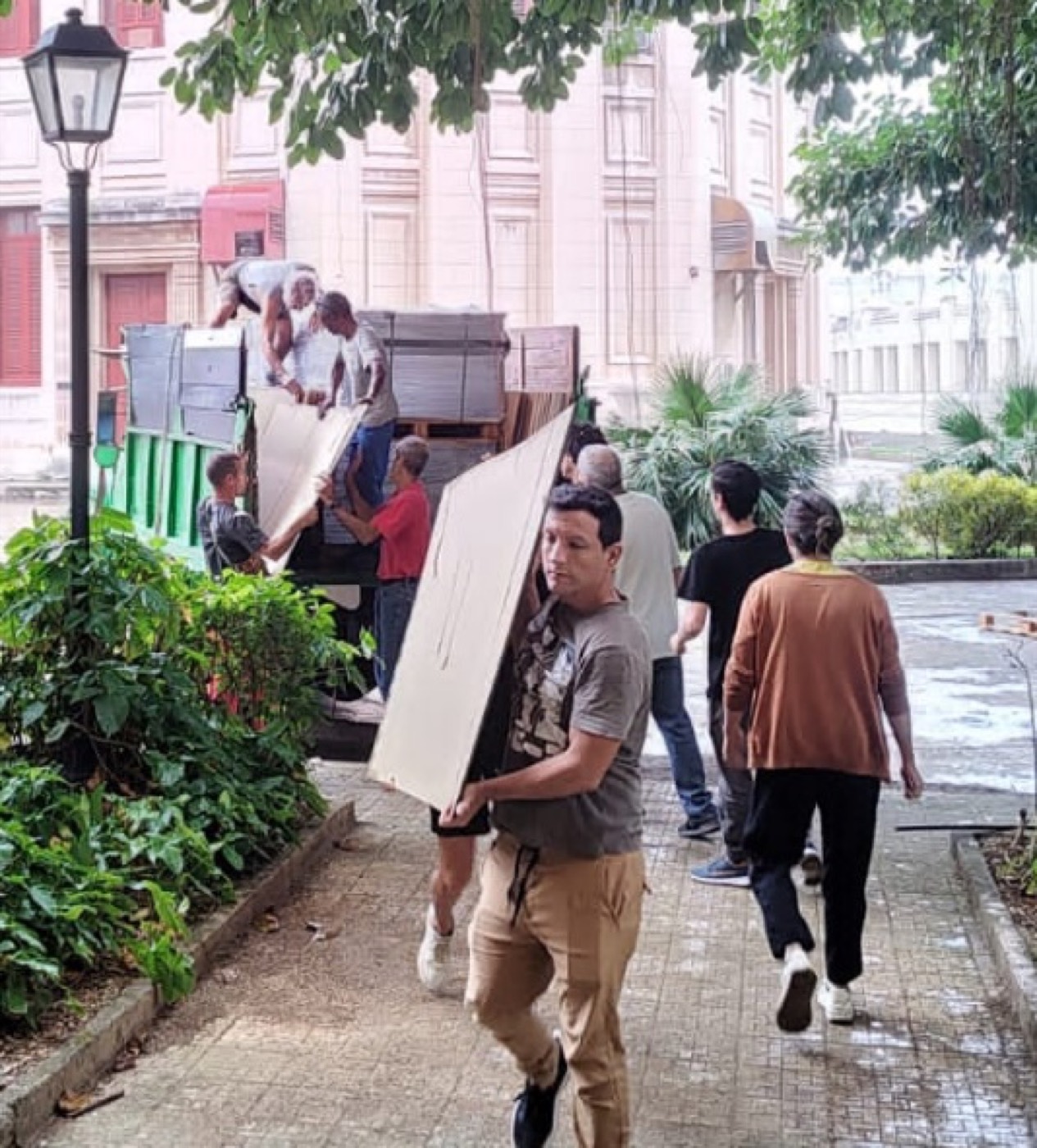
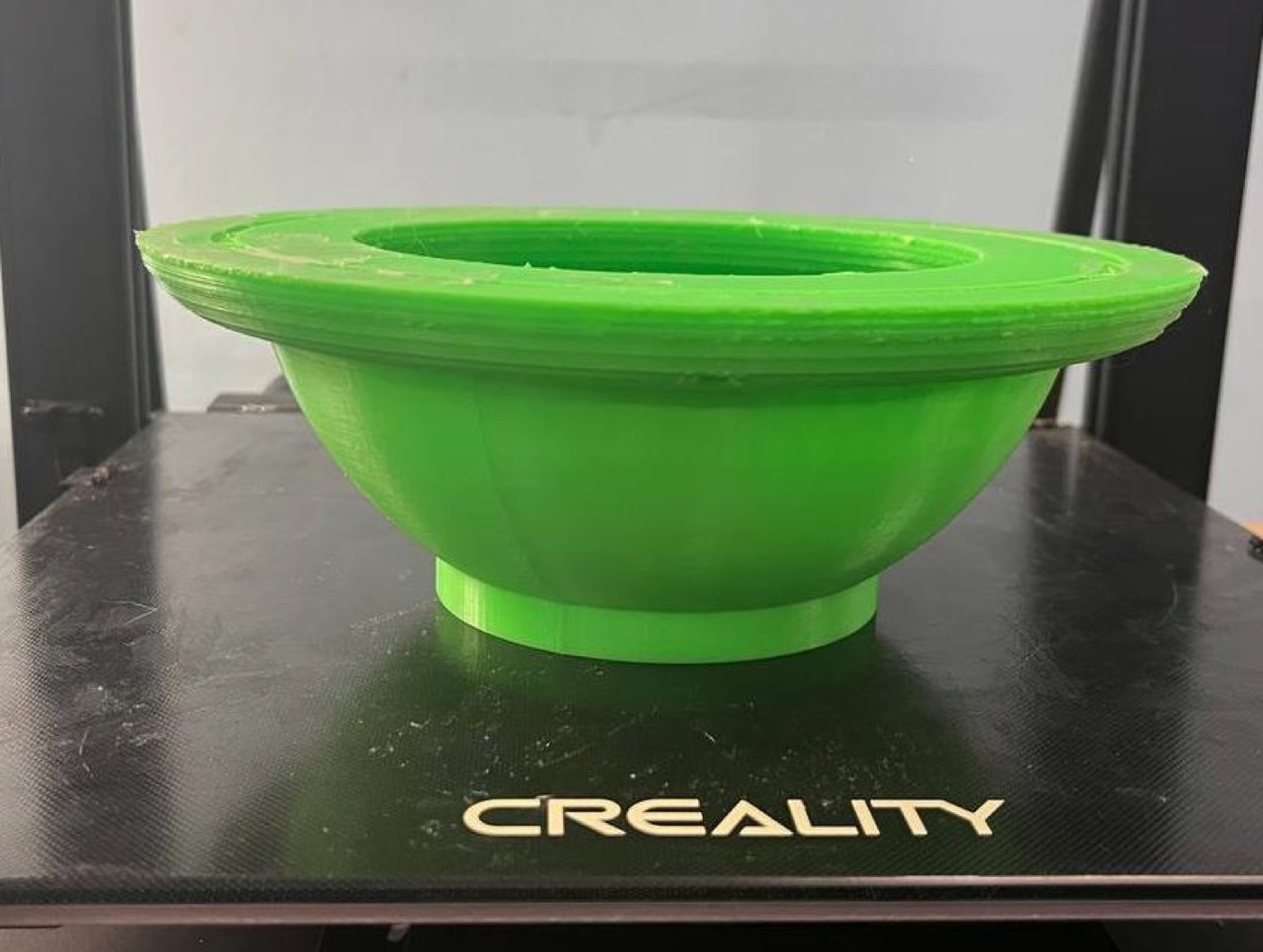
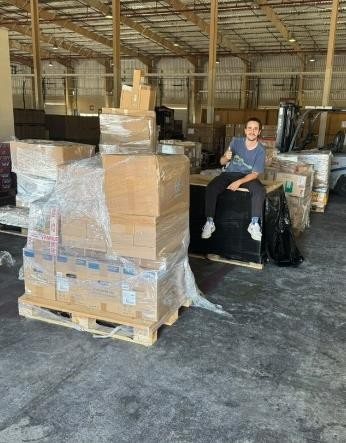
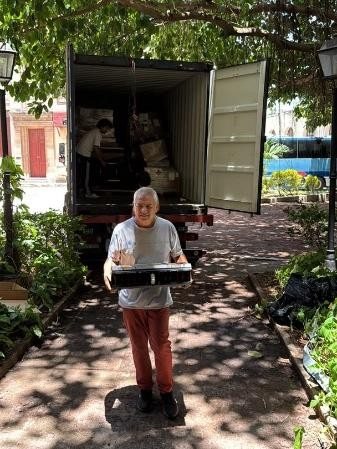
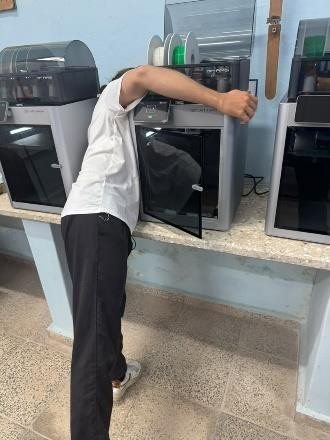
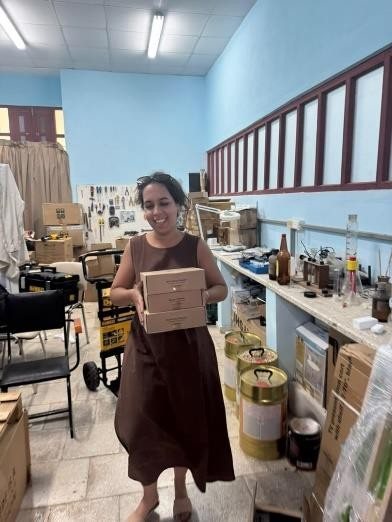
The container had reached the port of Mariel in April, but because of the fuel shortage the importing company (EMIDICT) never came to pick it up, even after a meeting with its officials on June 30 to speed things up. Transport was finally financed by the SME Espoleta Tecnologías, supplemented by a personal contribution, and the equipment reached the Physics building on July 15, 2026. During the vacation period the team worked hard: new electrical installations, assembly of the 3D printers and machine tools, and a detailed inventory check.
The second container from Belgium and the second shipment from Panama are being followed closely; both face the same level of internal bureaucracy, with ever fewer shipping lines willing to carry cargo to the country. Thanks to the efforts of ALIANC Group Servicios Integrales — especially specialist Leonardo Durán — the spectrophotometer software that was owed to the project was finally obtained and installed in September.
First real samples from the bay
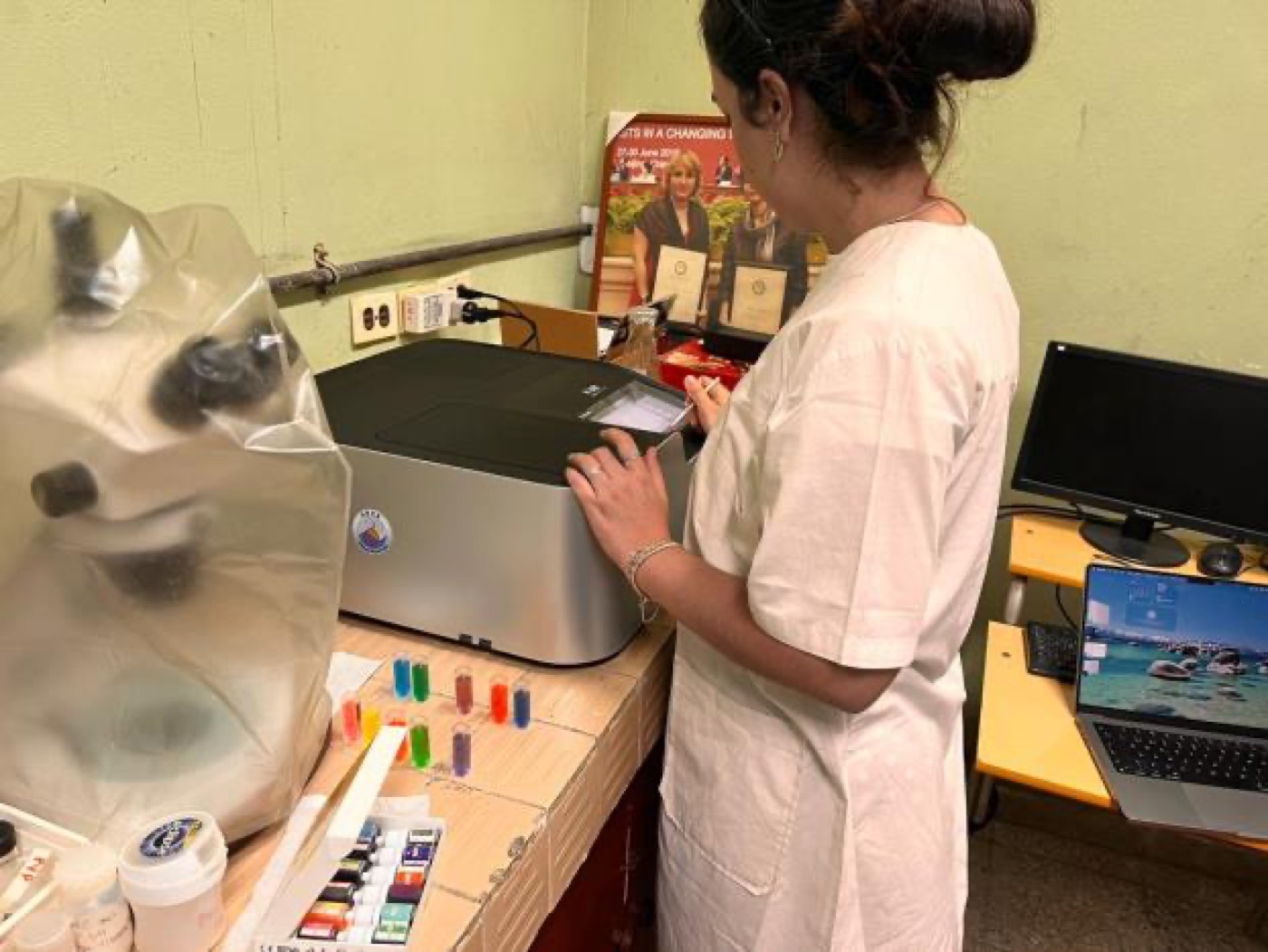
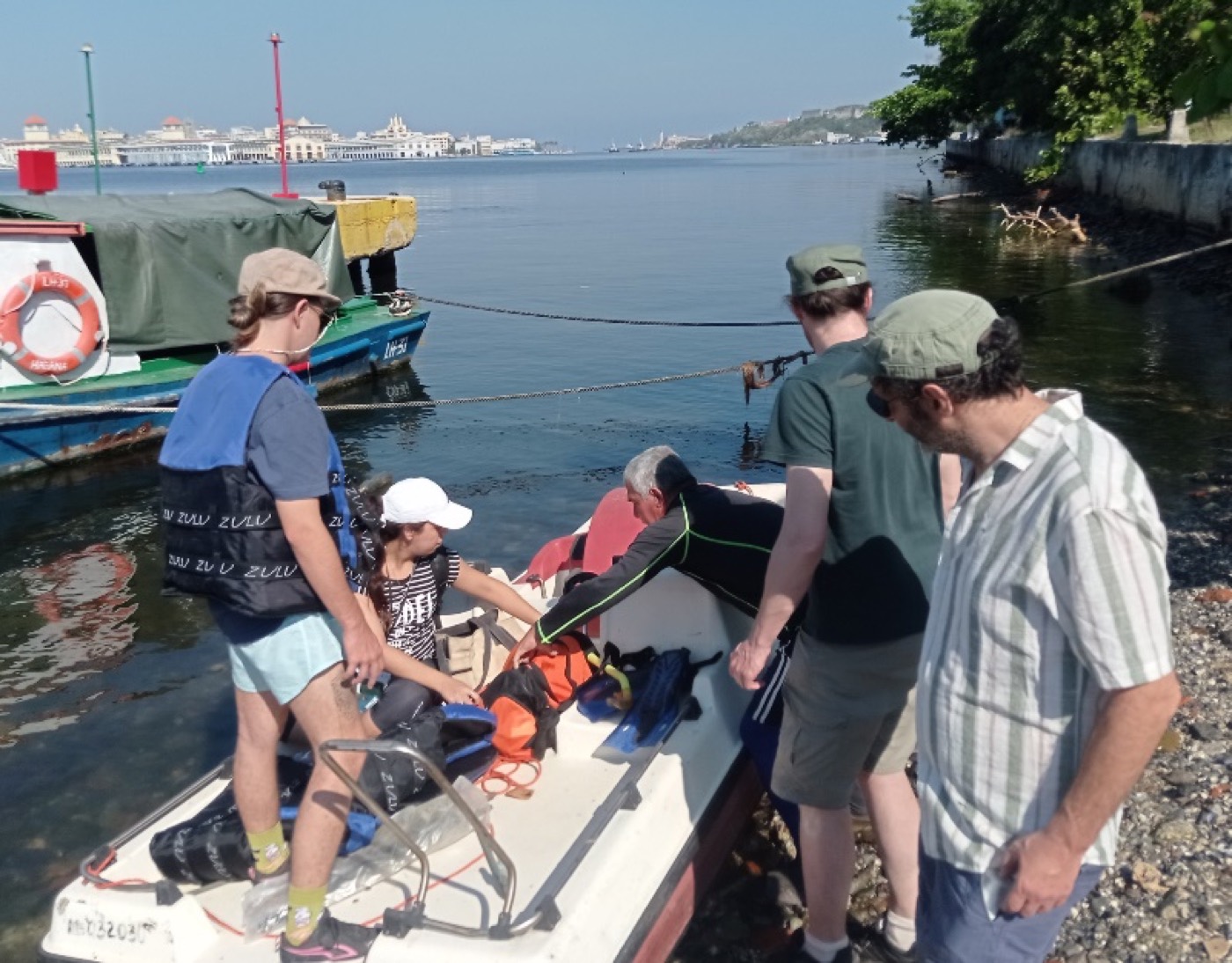
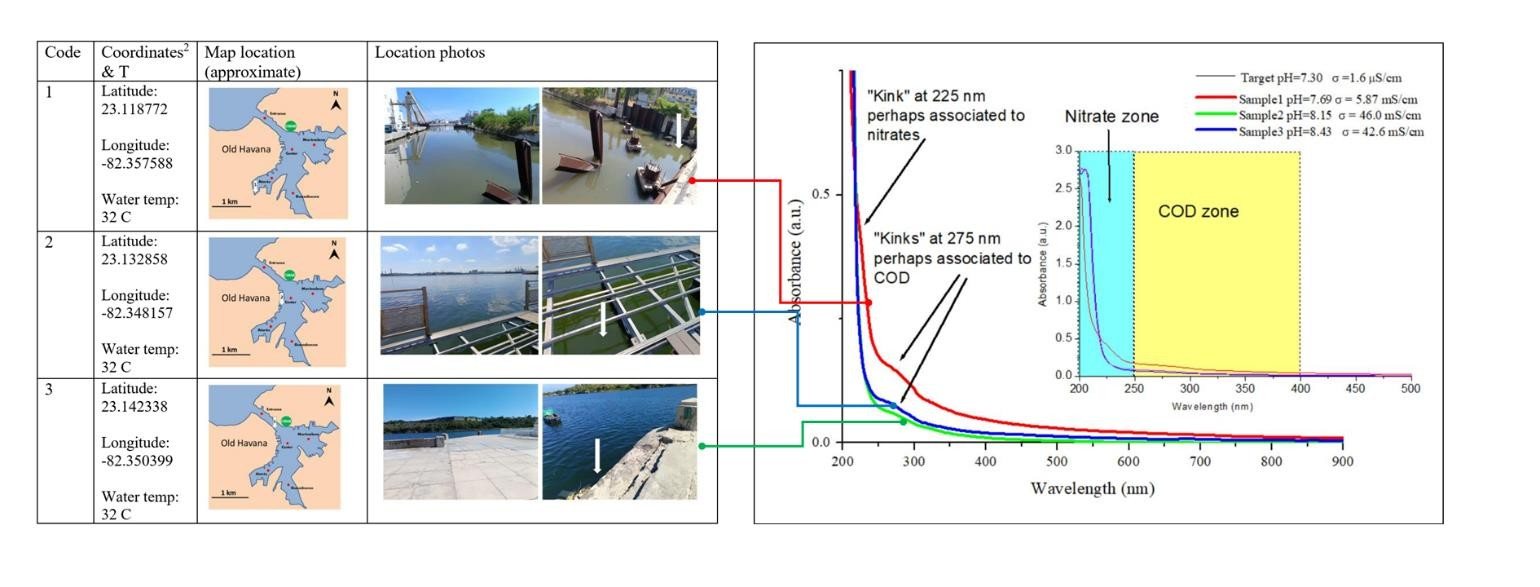
Given the scarcity of measurements on Havana Bay water during the period, A. Rivera and E. Altshuler took samples at several points of the bay and measured pH, conductivity and UV-visible spectrophotometry with the commercial spectrophotometer purchased with ARES funds. They concluded that most of the useful information lies in the ultraviolet region of the spectrum and that measuring turbidity independently would greatly help in interpreting the spectra. They also observed logically correlated variations between spectrophotometry, conductivity and pH across different locations in the bay, suggesting contamination levels that can be told apart with these techniques.
The medium wave channel
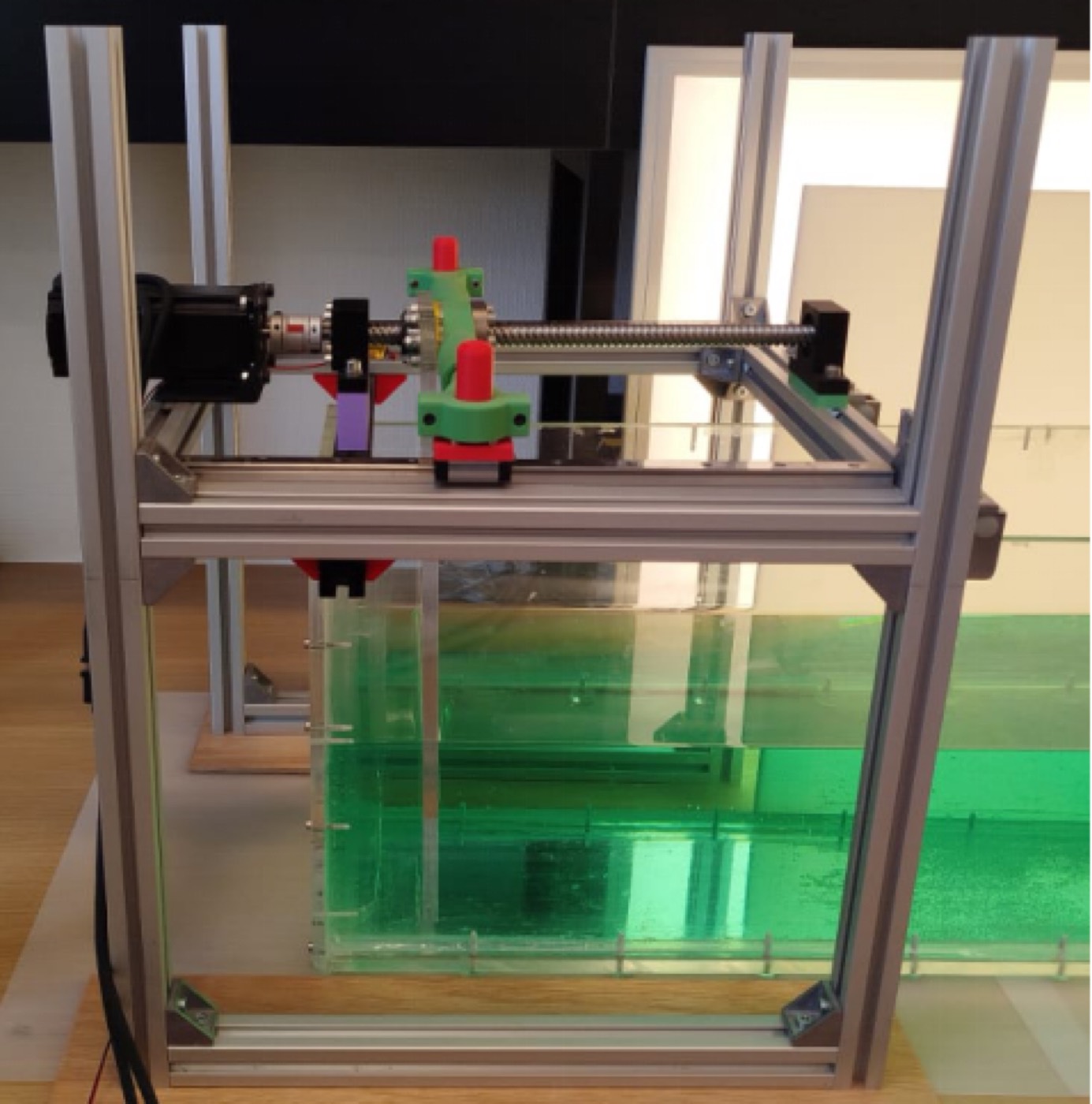
Construction received an extraordinary boost this quarter. Structural simulations of several channel designs, run by fifth-year student Jean Rafael López with specialized software, changed the project’s building philosophy: a steel structure is essential to hold the acrylic panels, since with other materials the mechanical deformations would be unacceptable. Getting substantial quantities of steel L-section and square-section profiles required redistributing some consumables bought with the project and a donation of materials from IMRE (University of Havana).
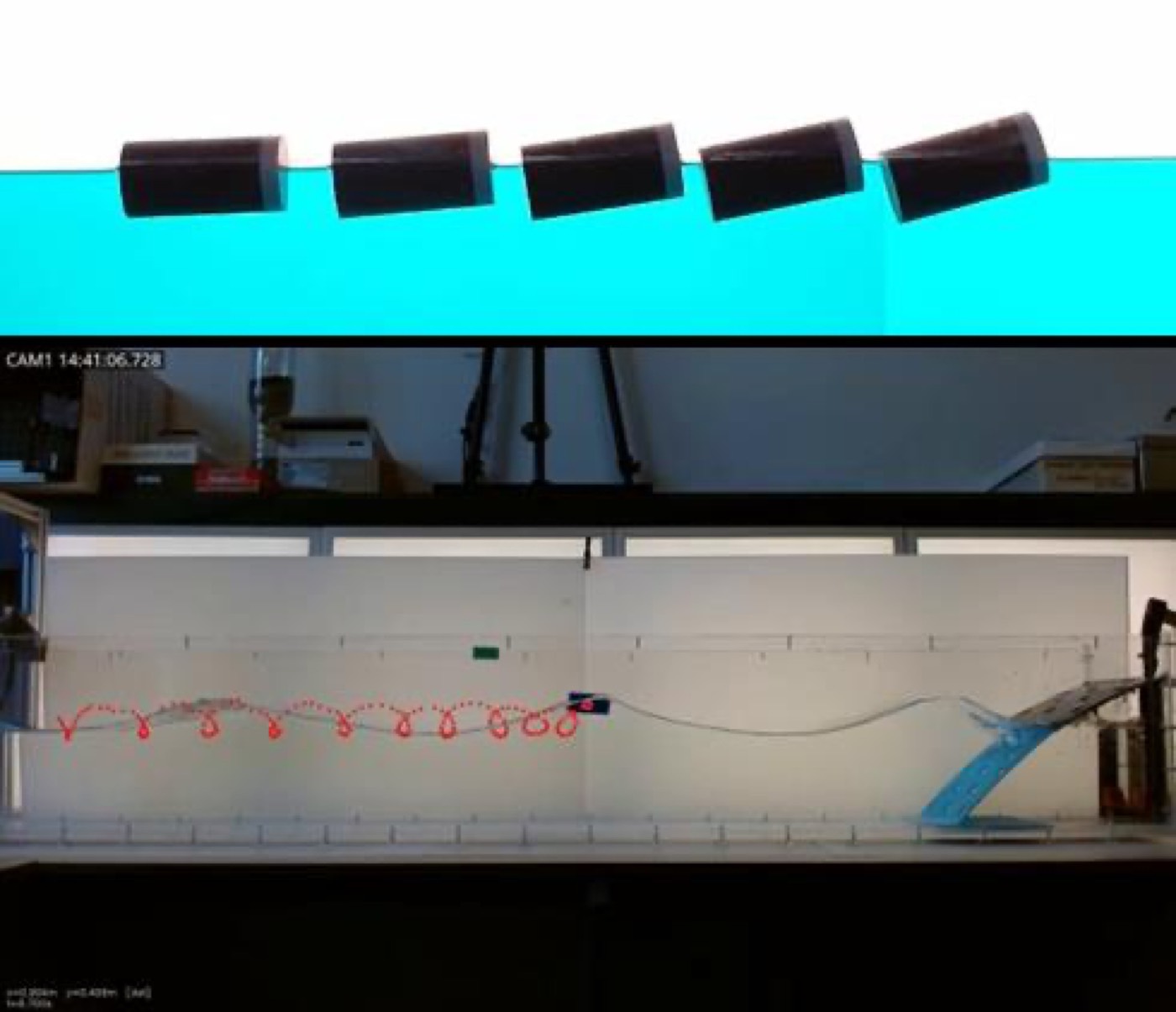
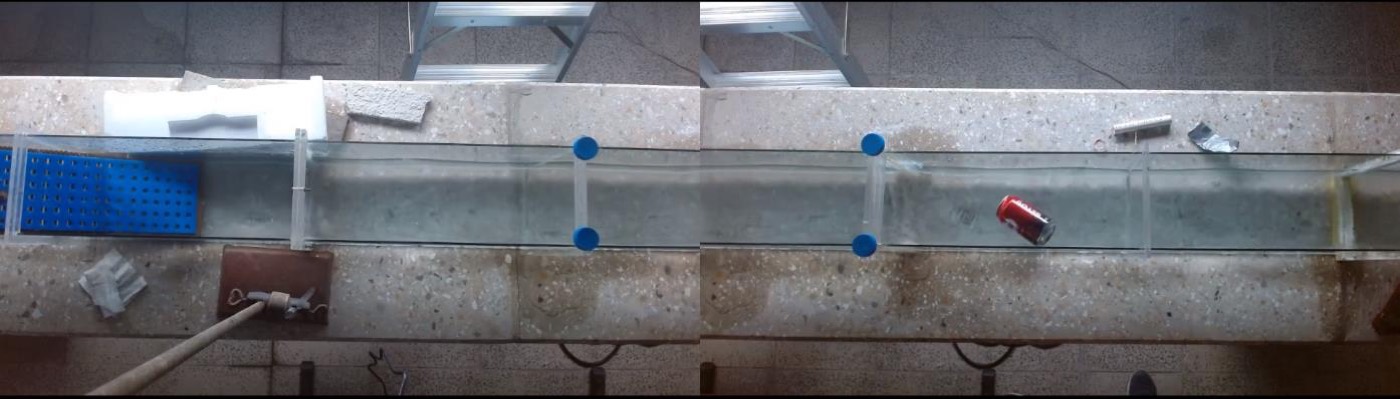
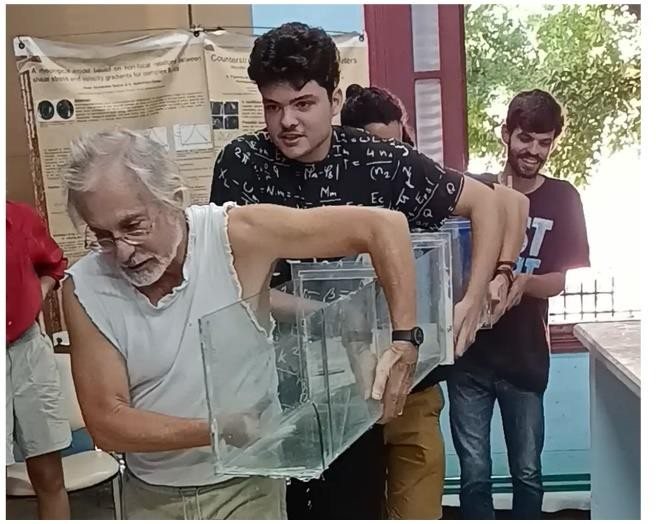
Construction began in the second half of September at a good pace, partly thanks to the blacksmith skills of Jean Rafael himself. One of the first steps was moving and thoroughly repairing the small glass-walled wave channel, with the help of Marlon Mederos and Luis Abel Rodríguez, so that experiments are not interrupted while the large channel is built. The report jokingly presents it as the birth of a new discipline in Physics: “channel-culture”.
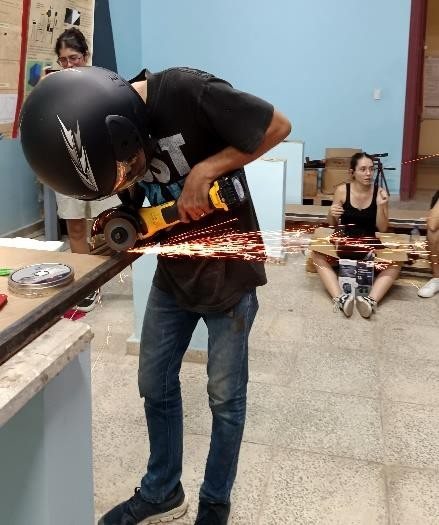
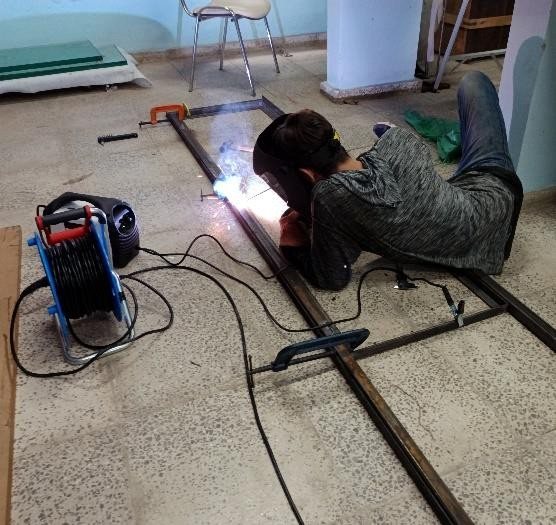
“Kick off FabLabComplex” micro-workshop
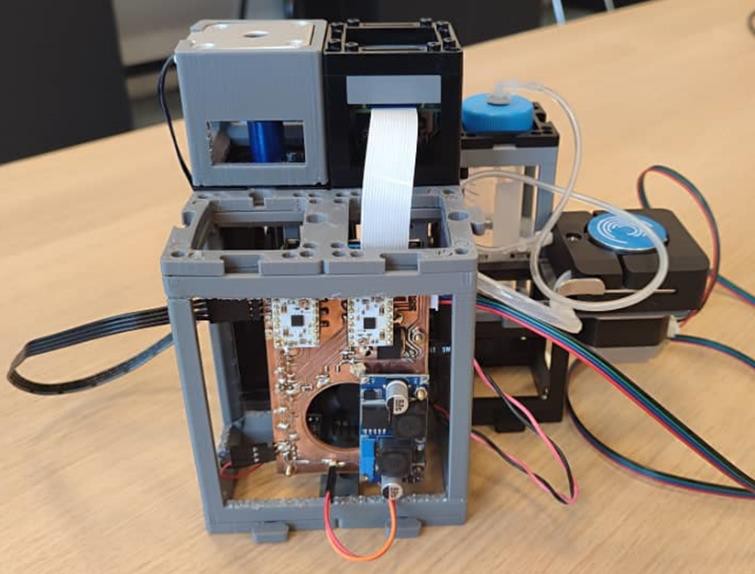
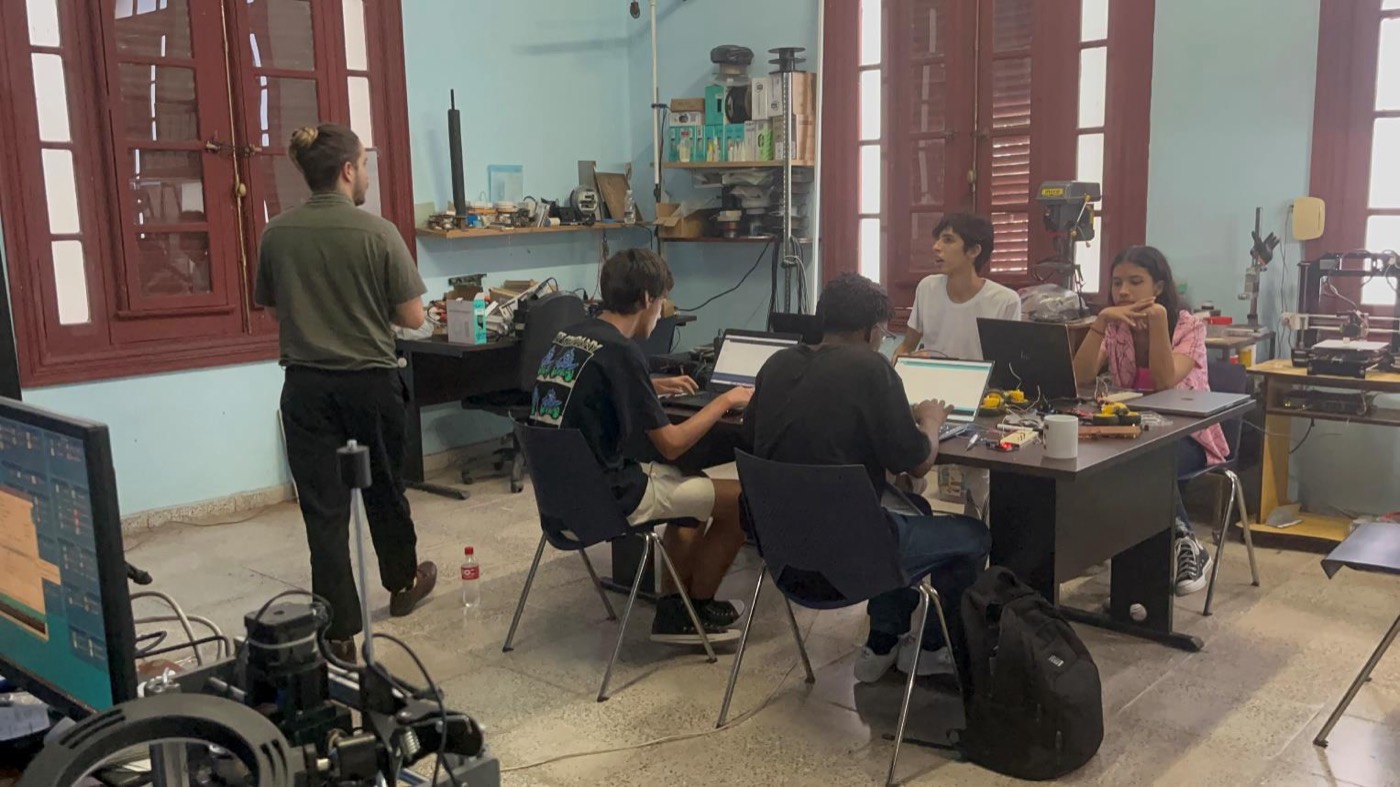
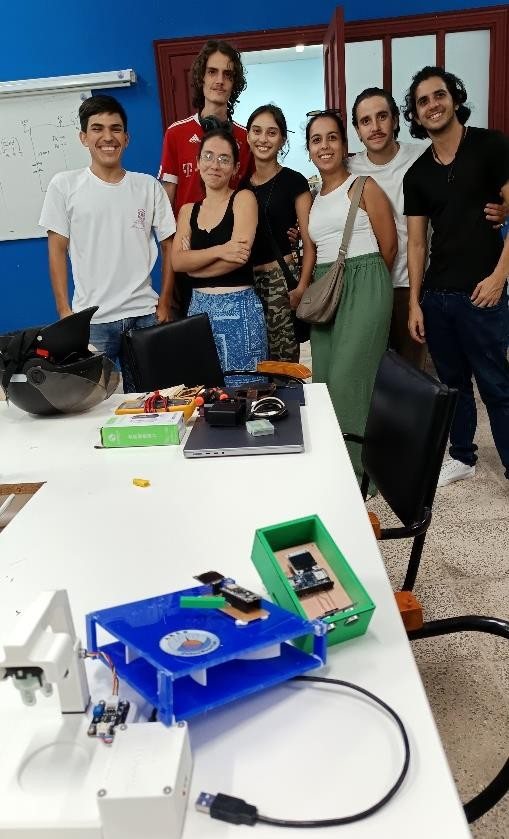
From August 10 to 12, in the middle of the vacation period and with the Faculty of Physics management keeping the building open, the team showed that the digital fabrication lab financed by ARES was partly functional less than a month after the equipment arrived. The bet relied on the fact that the Physics building shares an electrical circuit with the “Calixto García” hospital and suffers far fewer power cuts.
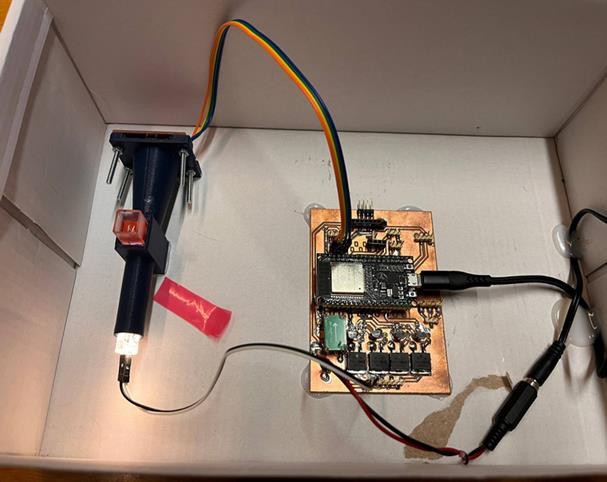
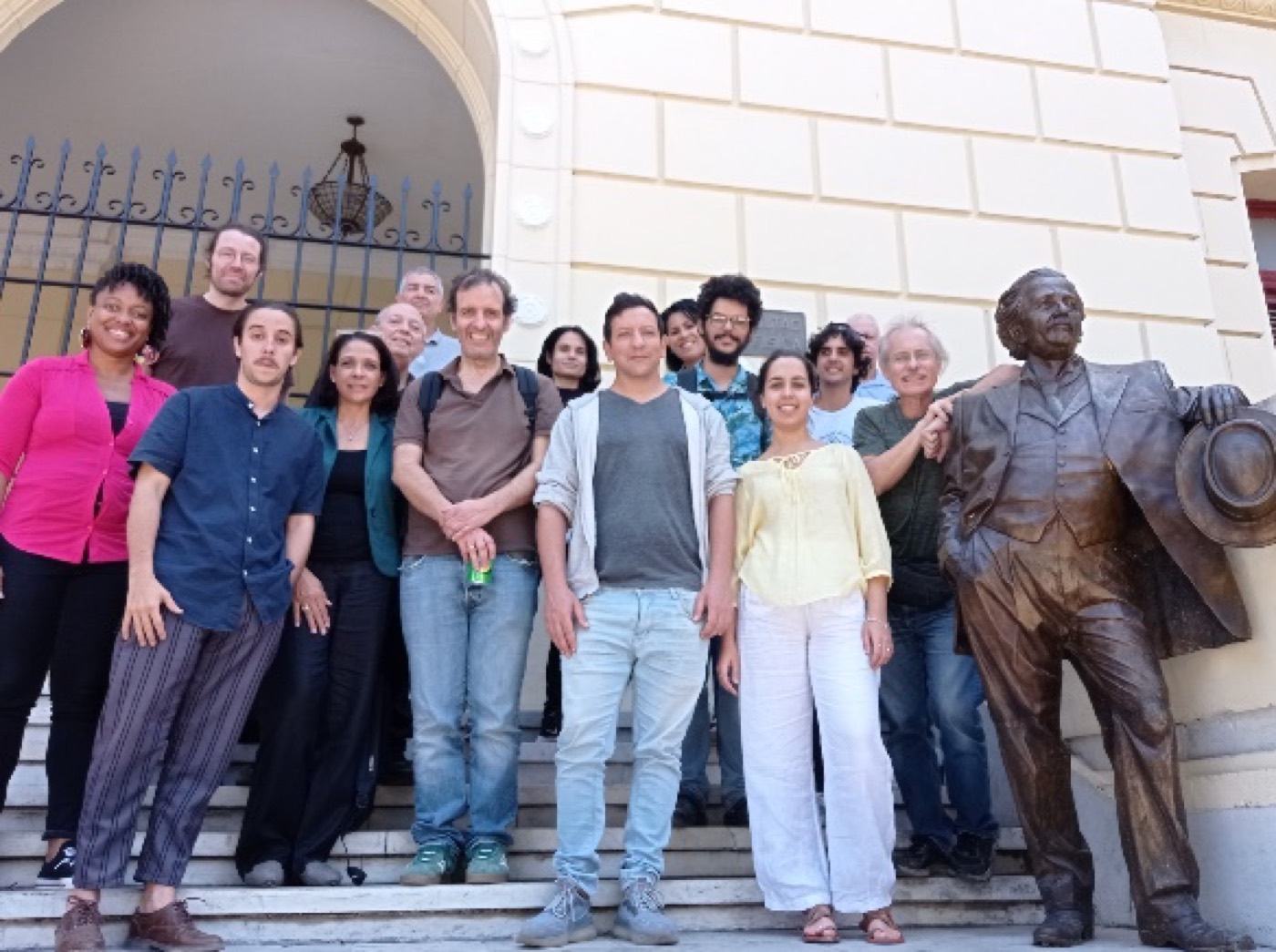
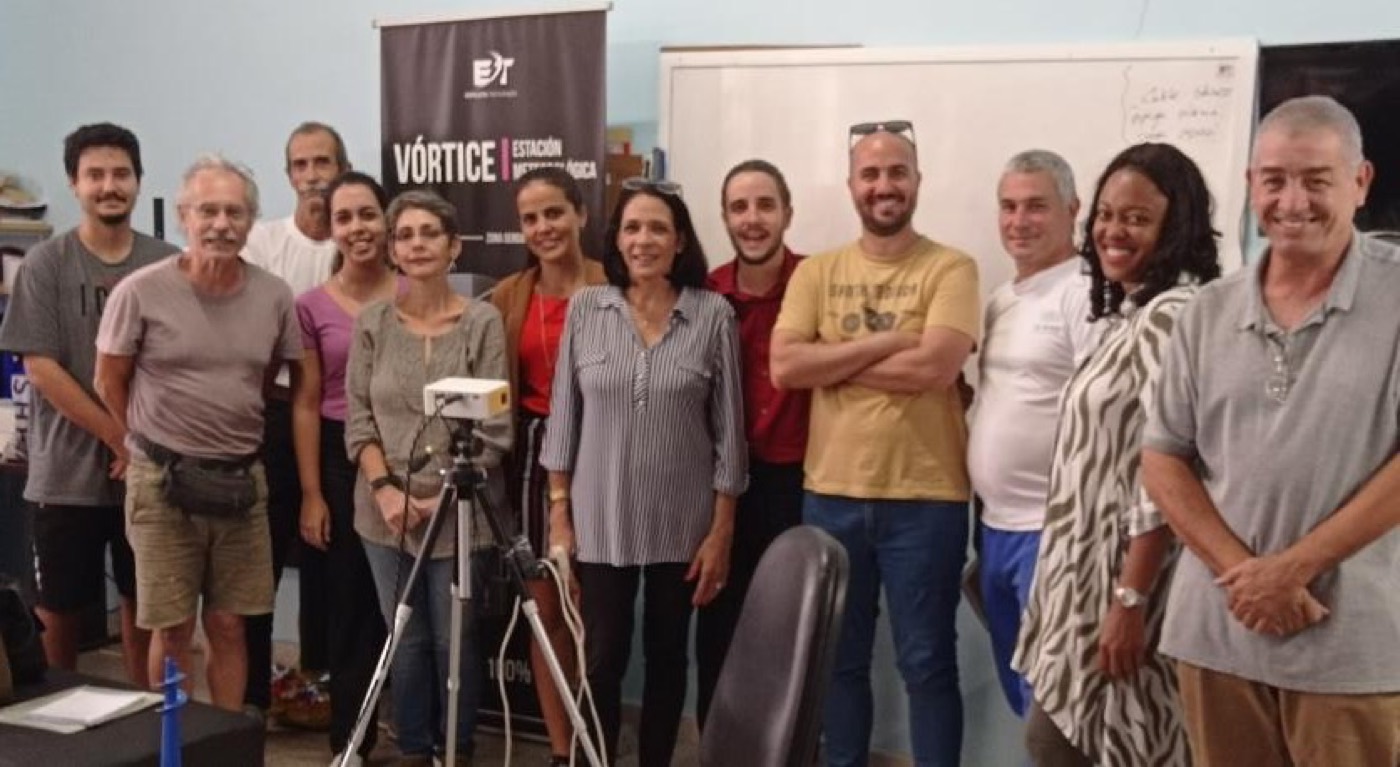
Three groups were formed to build, from scratch, three devices relevant to the project: an anemometer (led by Orestes Chávez), a turbidity meter (Alex Manuel Rivera) and a water-level gauge for a channel (Luis Abel Rodríguez). Participants included physics students, engineers, young biologists, a physician and a social scientist — a heterogeneous group, inclusive in every sense. Despite some organizational hiccups, on the last day, at 8 PM, all three projects were successfully finished.
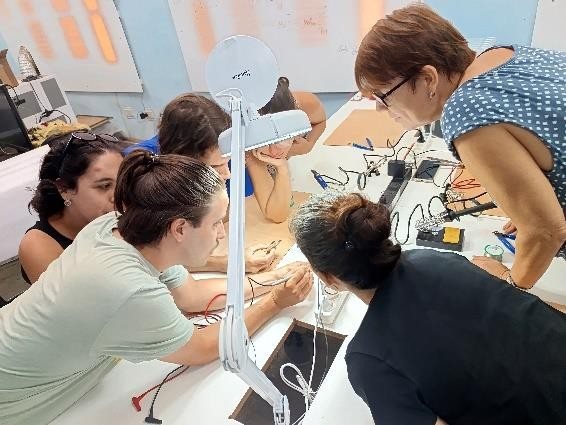
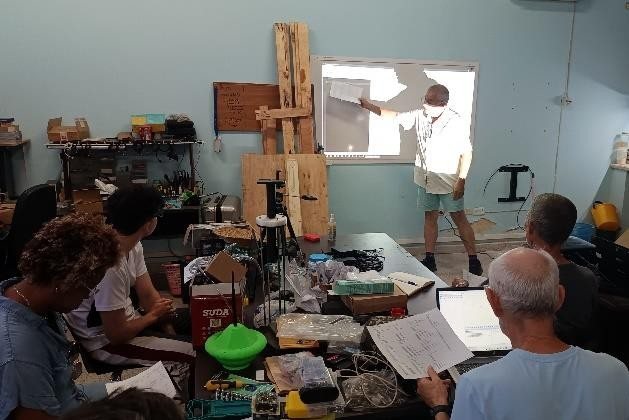
Academic activities
Doctoral student Luis Abel Rodríguez de Torner gave a doctoral progress seminar at the UH Complex Systems Center on September 28, after attending the 5th Training School on Wave-Structure Interaction (Florence, September 14–18), funded by the project. At the Faculty of Physics Summer School for pre-university students, Luis Abel led a team on “The secret of the slope: how an angle decides where particles float in the sea” and Daniela Martínez led “Optical calibration of the PlanktoScope: measuring magnification, thickness and biodiversity”; the group linked to the project won second place in the Tenth-Grade category.
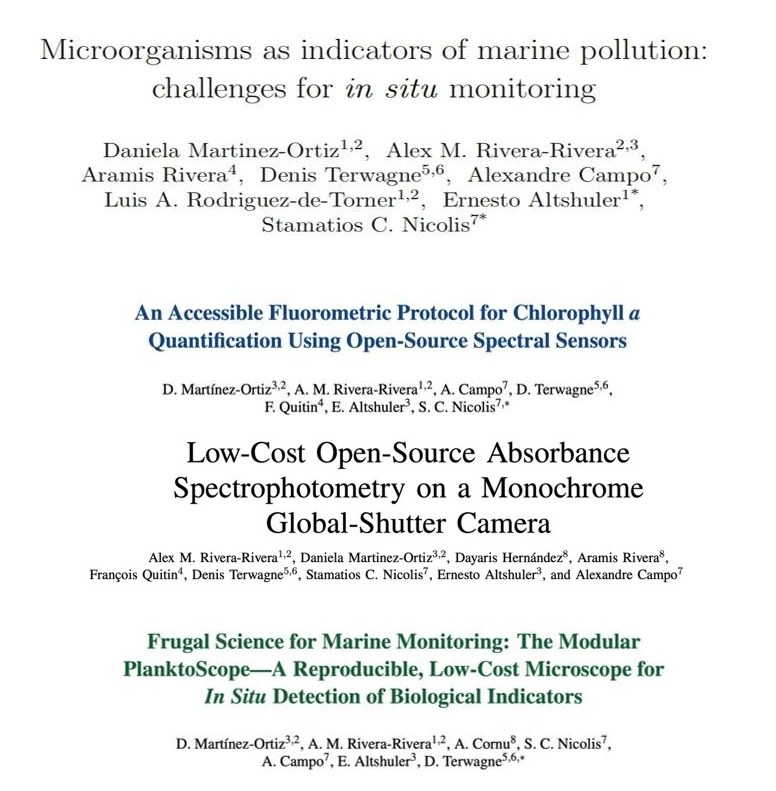
Several papers in the exact sciences, natural sciences and engineering are also under way: one submitted in April to Environmental Modelling and Assessment, still awaiting the first round of anonymous refereeing; another in final review by the authors before being sent to Reviews of Scientific Instruments; and others in preparation.
Social sciences and community work
Doctoral student Mayelín García-Remus continued her doctoral stay at the Université catholique de Louvain (Louvain-la-Neuve) between February and August 2026 and took part in the training activities of the CIRTES research center, including the 10th International EMES School on Social Economy. She finished writing a systematic review on community and citizen participation in water-quality monitoring and, together with her two supervisors, defined the thesis structure as three articles: the theoretical foundation, the empirical study of the Casablanca community, and a reflection on interdisciplinary dialogue around the new technology.
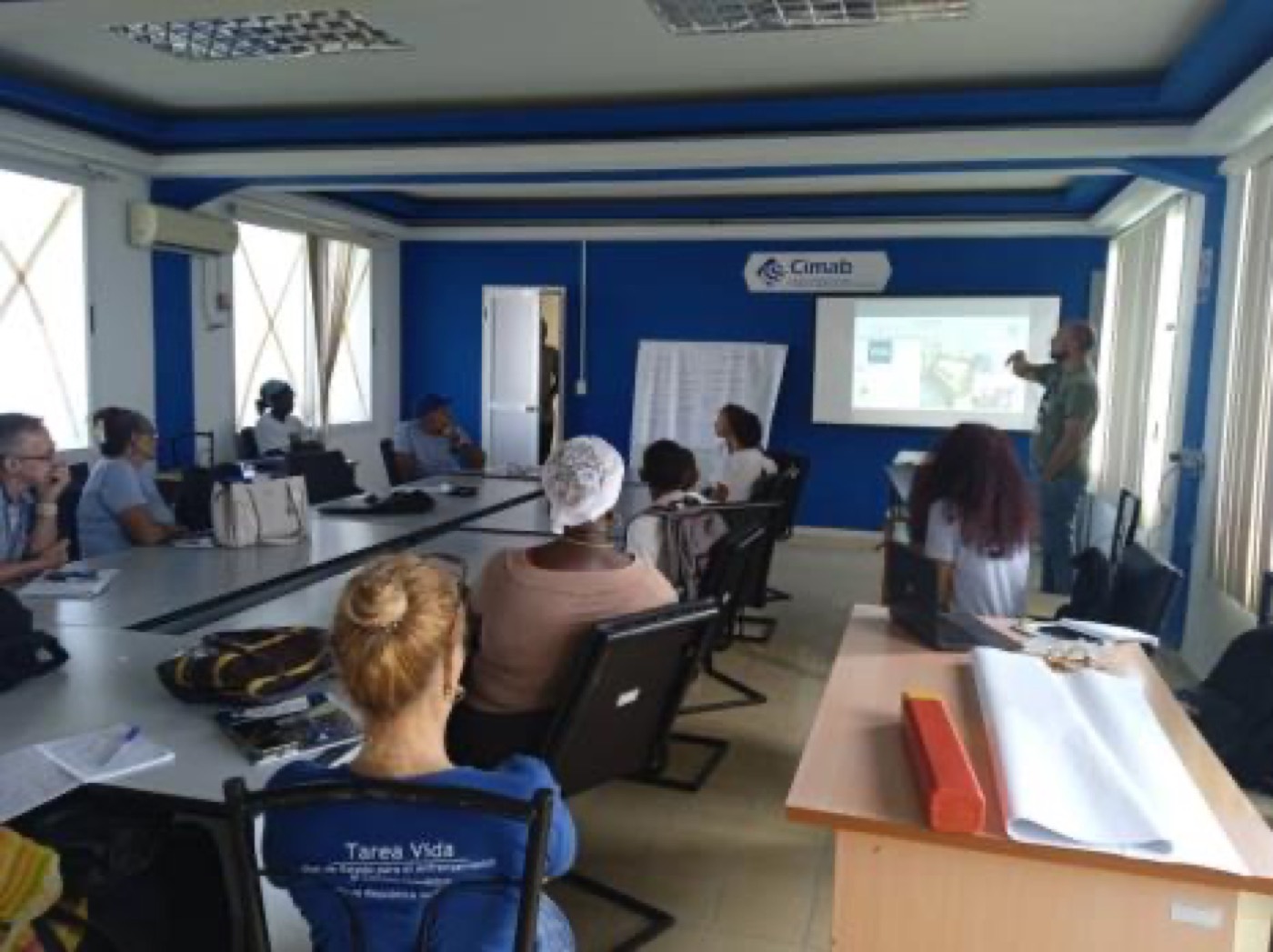
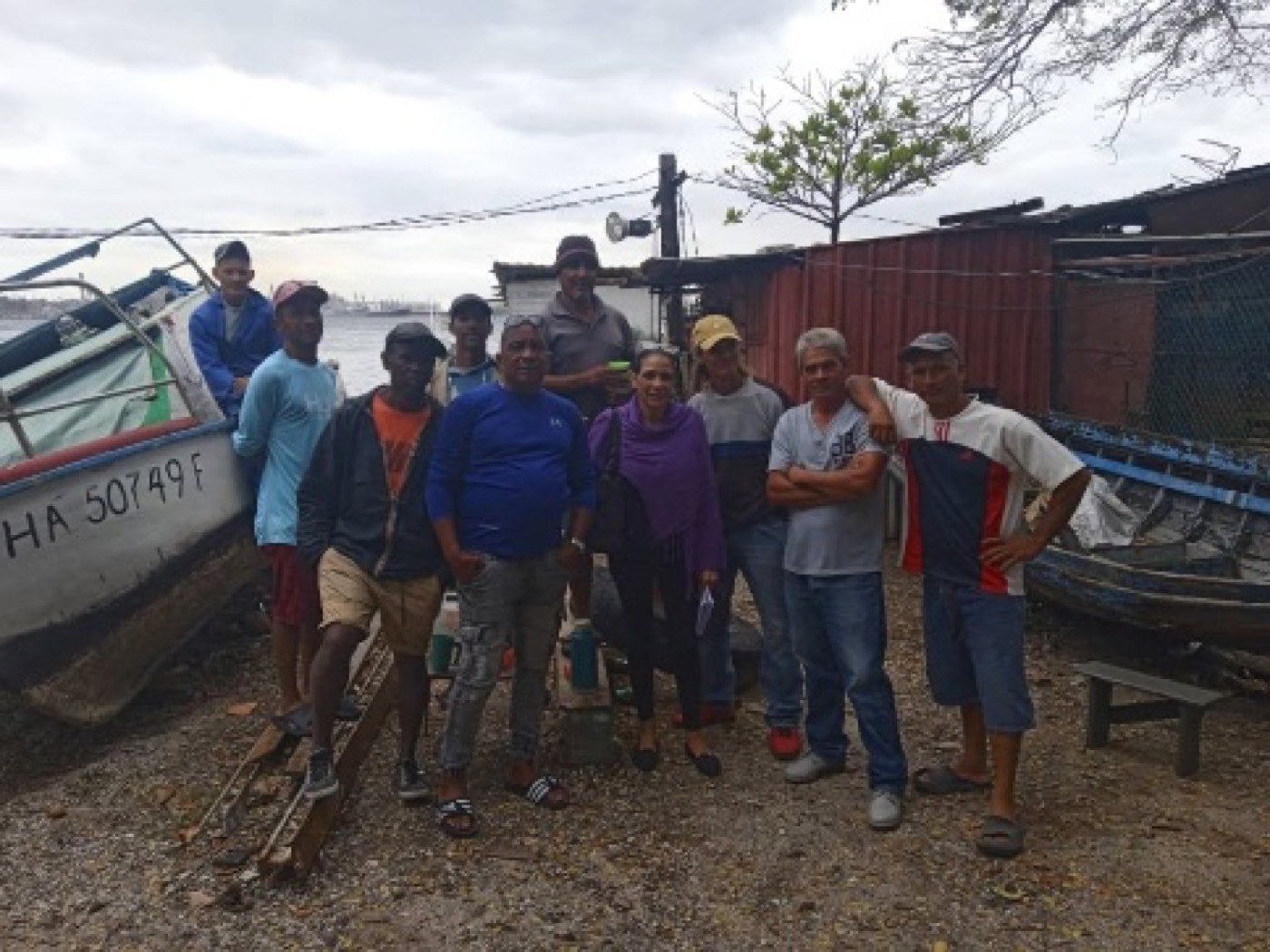
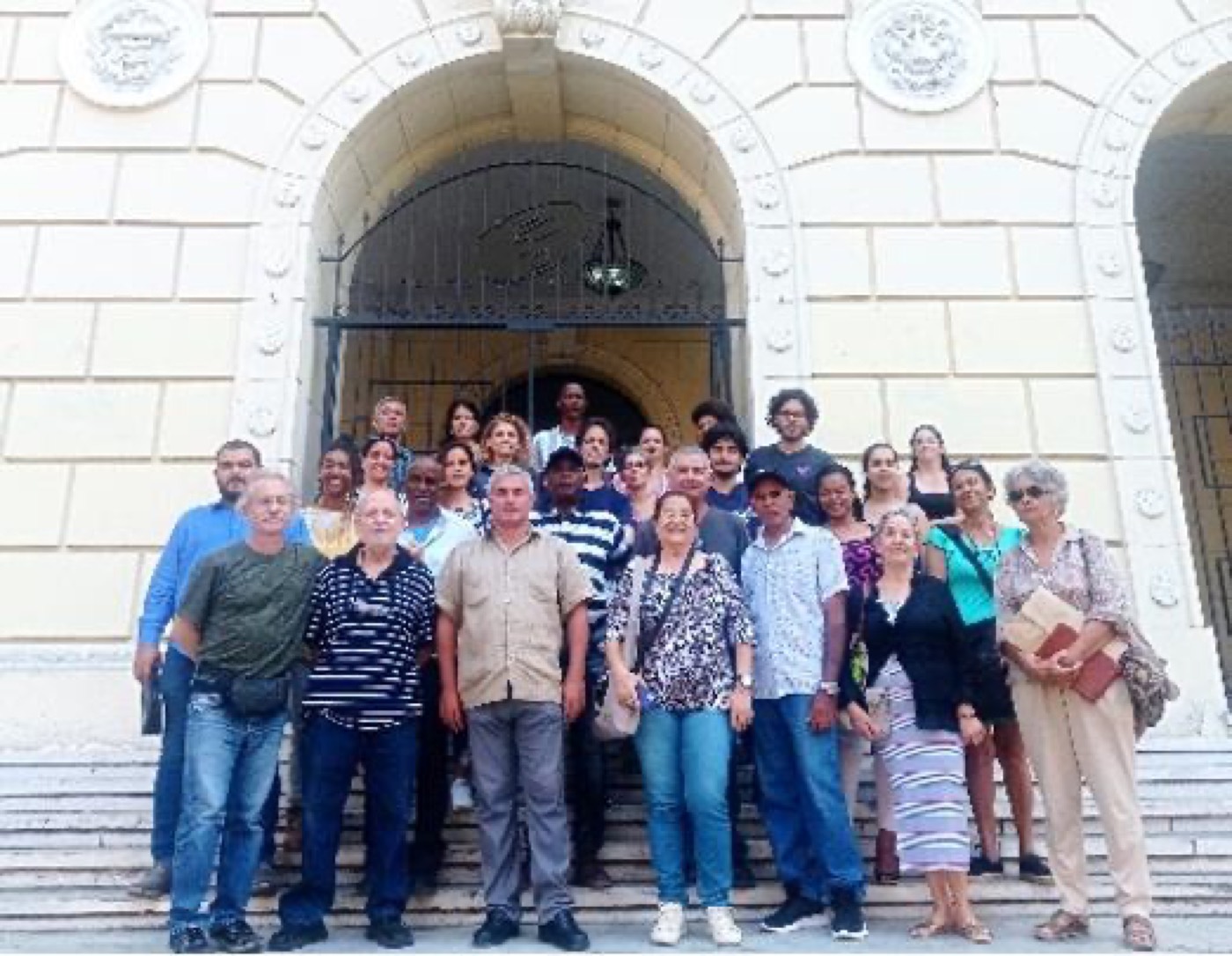
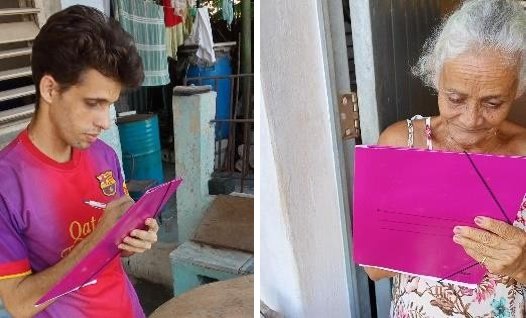
In Casablanca the surveys continued with the support of the president of the people’s council, and a working session with the director of the CIMAB laboratory coordinated the validation of the instrument to be used in the communities. After the August FabLab, interviews with key informants about digital fabrication in Cuba were carried out and an instrument to measure the social appropriation of technologies was designed, pending validation. The panel proposal “Technologies and equity gaps” was also approved for the international seminar “Intersectionality, Equity and Social Policies”, to be presented in November, and a methodological meeting explored possible social scenarios for working with the community from the citizen-science paradigm.
Quarter in brief
Despite the country’s dramatic economic situation — a serious deterioration in the participants’ living conditions, no access to the bay’s buoys and zero institutional maintenance of infrastructure — the project is at two moments of clear take-off: the organization of a digital fabrication laboratory (FabLabComplex) and the start of construction of the wave channel.